
When viewed through the lenses of financial wealth, fame, and awards, many creative people throughout history died thinking they were failures. They had imagination, ambition, and determination. They created beautiful things. And never saw the success they hoped for.
Feeling invisible and/or alone, is something I think many of us encounter at different points in life. We can be surrounded by people and still feel secluded. Just like we can be alone in a cabin in the forest and still feel contentment. Our physical proximity to others does not always equate to connection and our distance from others does not always result in isolation.
So when I say I feel unsuccessful as a creative most of the time, that does not mean I have not had successes. The acknowledgement of my peers, being asked to display my work, and having the opportunity to talk to others about the reasons why I do what I do are all measures of success. And I get emotional thinking about how much those things mean to me. And yet, success is both what we think AND what others think of us.
I’ll admit here that I do feel marginalized at times. Not taken seriously. I don’t always know why. Is it part of my experience as a person of color? Is my work not serious enough in tone? Does being a game designer alienate me from other designers? Am I even good at what I think I’m good at? All these questions perplex me because I know I’m not fit to answer them.
Remember Van Gogh? He sold very few paintings during his life. He lived in poverty, struggled with mental illness, and endured constant feelings of inadequacy. His brother Theo supported him emotionally and financially. Before his death, he wrote a letter expressing sadness about never seeing the success he had hoped for. He died at 37.
I wonder what success looked like to him. What it meant to him. I wonder what he would think of artists trying to be successful in our time.
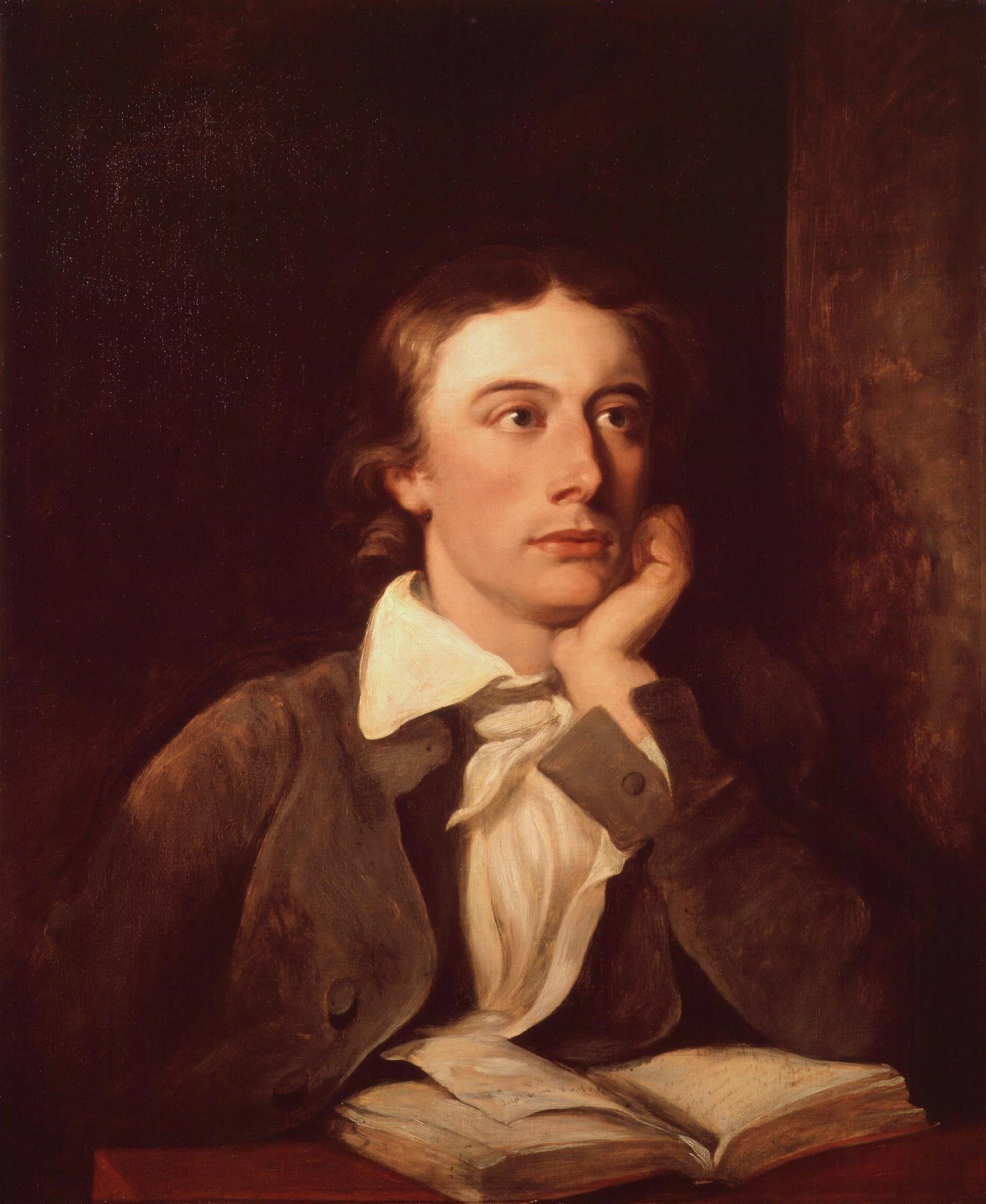
John Keats. Poet. He had to deal with brutal criticisms during his lifetime. The literary snobs dismissed his poetry and did not consider him a serious writer. He died of tuberculosis at 25. Now, he’s a legend. To me and so many others.
There are hundreds of examples of people who became known for their works only after dying. Here’s a list you can look up on your own time. Their stories involve heartbreak, but there’s beauty in understanding their circumstances and what their works meant to them.
Franz Kafka – Writer
Emily Dickenson – Poet
John Keats – Poet
William Blake – Poet, Visual Artist
Edgar Allen Poe – Writer, Poet
Amedeo Modigliani – Painter, Sculptor
Henry Darger – Artist, Writer
Vivian Maier – Photographer
Nick Drake – Singer, Songwriter
Paul Gauguin – Painter
Camille Claudel – Sculptor
Herman Melville – Novelist
Judith Leyster – Painter
There are thousands more who remain unknown. And will always be unknown. Seth Godin says:
“There is no correlation between things that are great and things that are famous. There are so many things that are great that will never be famous.”
I don’t desire fame or the burdens that come with it. To me, success looks like creating fun things that bring people together for shared experiences. Something I think will be more and more needed lest we lose ourselves to tech. As a company-of-one, I want to work hard, sustain myself financially, and have fun doing it. And I’d like to be able to collaborate with other creatives of all ages as I grow my studio.
(What does success as an artist or creative look like to you? Leave a comment below!)
My Drawing Journal
“When everyone’s super…, no one will be.” –Syndrome, Incredibles
Creativity is a super-power. But it’s not just something we’re born with. Some are naturally inclined towards creative expression, which some call talent. Others must take extra steps to grow creatively and they have a unique experience in the struggle. In either case, both are capable of realizing compelling visions.
And then there are those who seek to artificially manufacture creativity. Big-tech, software development companies, and social media giants. They say: “Anyone can be creative!” Which may be true. However, being creative does not depend on subscription fees.
Regardless, it’s why I’ve been making more art just for the fun of it. Without analytics telling me what to create, without guessing at what people want, AND incorporating all the weirdness I can imagine. 2026 is the first year I’ve kept a drawing journal and it’s been a satisfying practice.
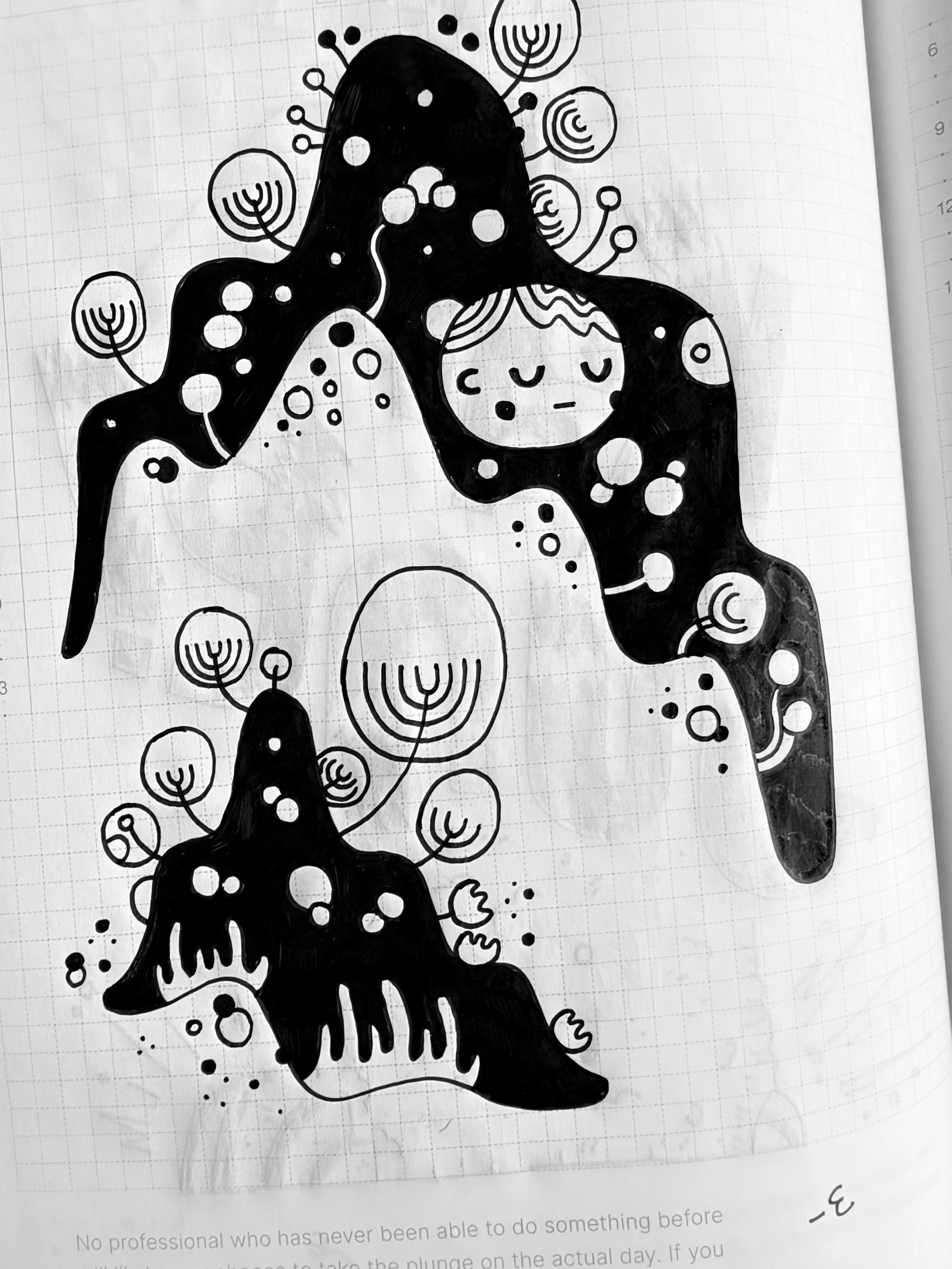
I think because of my issues with getting sleep, it’s a subject that comes up a lot in my drawings
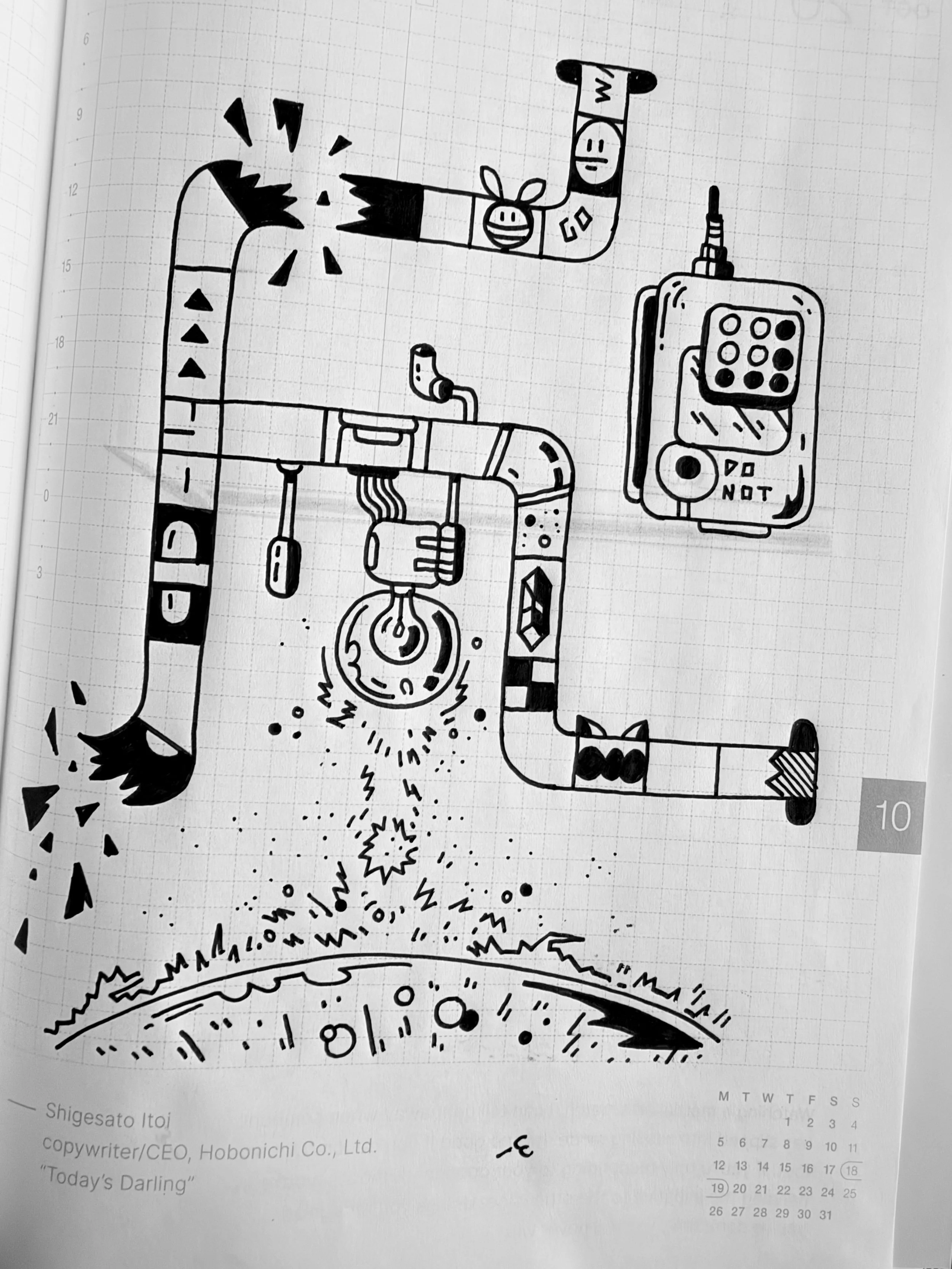
Connectivity, interaction, reaction – other reoccurring themes
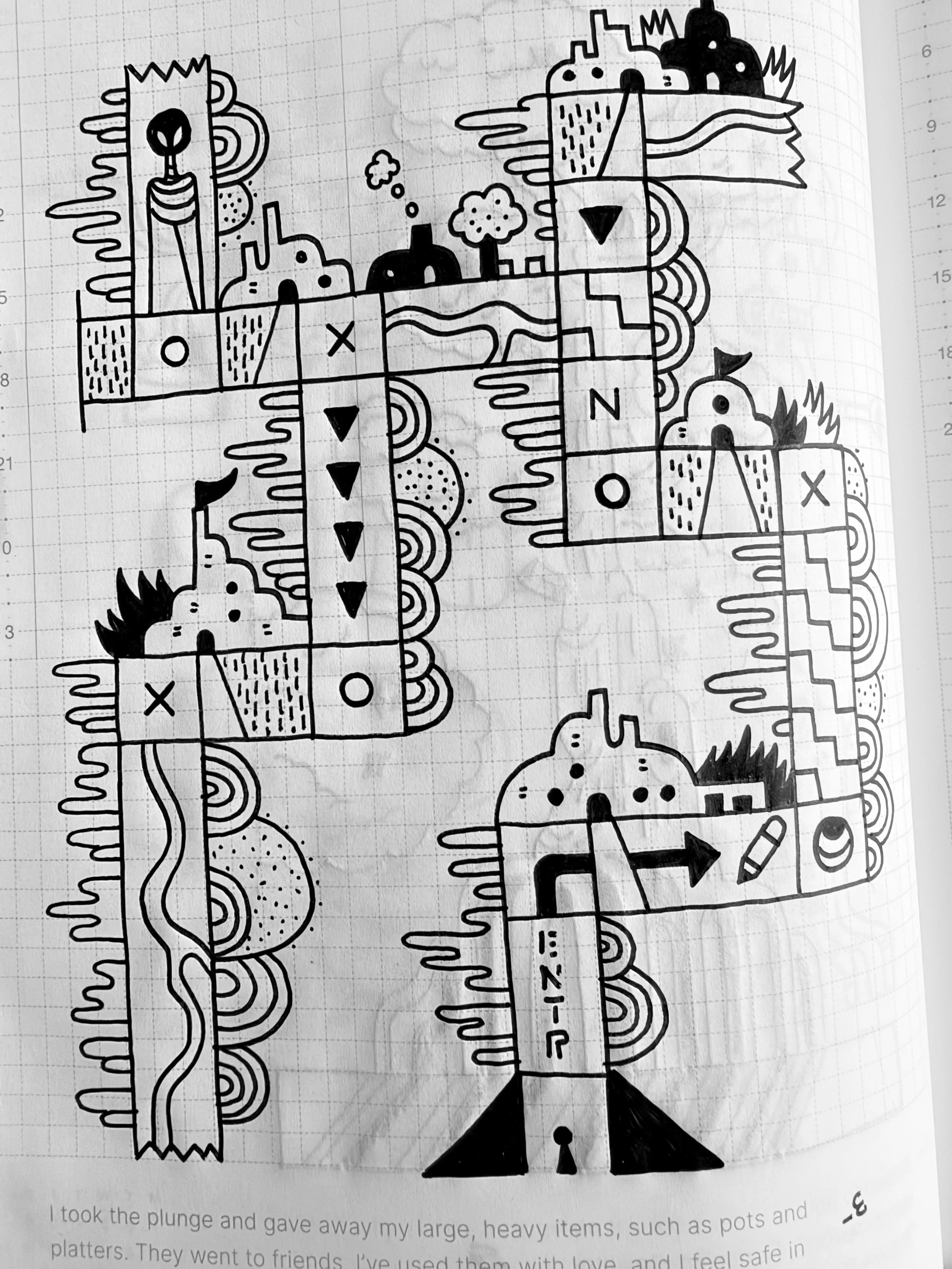
Journeys are full of things to observe. What we see along the way depends on our perspective.
Failure. Success. Who Can Tell?
If considering the life lessons of past creatives has taught me anything, it’s that we can work hard and have a vision, and still never reach our own version of success. To do everything right or check all the boxes and still fall short. Mistaken for failures by ourselves, the world at large, or our peers. It’s part of the human experience.
I’ve been watching Star Trek TNG from start to finish, which I never did as a teen. It’s been awesome. There are some great episodes. I love this quote:
“It is possible to commit no mistakes and still lose. That is not a weakness. That is life." –Captain Picard, Patrick Stewart (RIP)
Picard’s quote is comforting to me. It means I don’t have to worry about being so correct, so proper, or serious that I forget to enjoy this creative journey. In the end, I’m not in control of every aspect of my life anyway. The circumstances I encounter, timing, external forces, etc. Success and failure are elusive, unpredictable in large part.
John Keats – you did good. Your works are valuable. You were special. You were not a failure.. But sometimes the artist never knows the true value of what they’ve made or its significance to those closest to them.
And this is why we are not qualified to judge our creations. Only to make them.
–E
